When I evaluate cleanroom panels, I begin with the facility’s contamination-control requirements rather than panel price. The right questions should cover ISO classification, panel materials, core construction, chemical resistance, fire performance, joint sealing, installation scope, documentation, lead time, warranty, and replacement support. This approach helps me compare Clean Room Wall Panels on technical suitability, lifecycle cost, and project risk.
!
Before requesting quotations, I define the room’s operating conditions in writing. A panel that performs well in a pharmaceutical storage area may not suit a semiconductor process room exposed to solvents, heat, or frequent cleaning. I also identify whether the project uses a modular cleanroom, a stick-built wall system, or a hybrid design, because the installation method affects coordination, future changes, and total cost.
The supplier should receive the room dimensions, ceiling heights, door schedule, equipment layout, pressure cascade, HVAC concept, utility penetrations, and expected cleaning procedures. I ask every bidder to price the same scope and state every exclusion. Without this information, two quotations may appear different in price while covering different levels of engineering, installation, and commissioning.
Cleanroom panels are factory-made wall or ceiling elements designed to create enclosed, cleanable surfaces in controlled environments. They commonly consist of two facing sheets bonded to an insulating or structural core, with joints sealed through gaskets, sealants, trims, cam locks, or other connection details. The completed system limits particle traps, supports pressure control, and provides a surface that can be cleaned repeatedly.
The panel itself does not create an ISO-classified room. Classification depends on the complete facility, including filtration, airflow, air-change rate, pressure control, personnel practices, equipment, cleaning, and validation. For that reason, I treat the panel as one part of a coordinated cleanroom wall system rather than as an independent compliance product.
The main cleanroom panel materials include coated steel, stainless steel, aluminum, fiberglass-reinforced plastic, high-pressure laminate, and other engineered facings. Core options may include PIR, EPS, mineral wool, aluminum honeycomb, paper honeycomb, or other composite structures. Each combination affects fire behavior, stiffness, insulation, moisture resistance, weight, impact resistance, repairability, and cost.
PIR panels are often considered where thermal insulation and improved fire performance are important. I ask for the declared density, thickness tolerance, thermal conductivity, fire-test classification, bonding method, and temperature limits. The supplier should also explain how the PIR core is protected at cut edges, penetrations, and damaged areas.
EPS can provide a cost-focused solution for applications with moderate thermal and fire requirements. However, I request clear fire-test documentation and confirm whether the proposed core is permitted by the project’s building code, insurer, and authority having jurisdiction. EPS may be unsuitable where the room requires more demanding fire performance, chemical exposure resistance, or elevated-temperature operation.
Aluminum honeycomb panels offer low weight and useful structural stiffness. They may be appropriate where clean surfaces, dimensional stability, and reduced dead load are priorities. I ask how the panel handles impact, edge sealing, service penetrations, and localized loads from wall-mounted equipment.
Metal facings can provide smooth, cleanable surfaces when the coating and joint details are properly specified. Stainless steel is often selected for demanding chemical or corrosion conditions, but it can increase material and fabrication costs. Fiberglass-reinforced plastic may suit areas exposed to moisture or aggressive cleaning agents, while HPL can provide a durable decorative surface for selected controlled environments.
The facing material is only part of the decision. I also compare coating thickness, gloss, color stability, scratch resistance, surface hardness, cleanability, and compatibility with disinfectants. A supplier should provide chemical-resistance information for the exact coating rather than making a general statement about the panel category.
The required ISO classification influences the acceptable level of surface continuity, joint control, cleanability, and installation precision. ISO 14644-1 classifies airborne particle cleanliness, but the classification does not prescribe one universal panel material or thickness. I therefore ask the cleanroom designer to define the required class, operating state, pressure differential, temperature range, humidity range, and recovery expectations before I select a panel.
A lower-risk gowning room may have different needs from an ISO 5 process area or a pharmaceutical filling room. In stricter spaces, flush-joint cleanroom panels with sealed connections can reduce ledges and particle-collection points. I also verify whether the wall system must tolerate repeated cleaning with hydrogen peroxide, alcohol, chlorine compounds, quaternary ammonium products, acids, alkalis, or other agents.
Temperature and humidity matter because panels expand, contract, absorb heat, and respond to moisture differently. I ask for the recommended service range and installation conditions, including substrate flatness and room temperature during sealing. If the facility has large pressure differences between adjacent rooms, the supplier must confirm that the panel connections, doors, windows, and ceiling interfaces can maintain the required enclosure performance.
Joint design is one of the most important questions because panel surfaces are only as cleanable as their connections. I ask whether the system uses concealed joints, exposed trims, interlocking profiles, gasketed connections, or site-applied sealant. I also request drawings showing wall-to-wall, wall-to-ceiling, wall-to-floor, internal-corner, external-corner, and door-frame details.
The supplier should identify the sealant type, curing time, movement capability, chemical resistance, color, replacement method, and compatibility with the panel coating. I check whether sealant lines are recessed, flush, or exposed, and whether they can be inspected after installation. Poorly prepared joints may create gaps, cracks, or uneven surfaces that increase cleaning time and create contamination-control concerns.
Penetrations require the same level of attention. Electrical outlets, process piping, ductwork, sprinklers, data points, monitoring probes, and transfer systems must be coordinated before production. I ask who is responsible for cutting, reinforcing, sealing, fire stopping, and documenting each penetration, especially where MEP coordination affects panel integrity.
There is no single correct thickness for every facility. I select thickness according to span, core type, insulation target, fire performance, acoustic requirements, pressure differential, impact risk, service loads, and local code. Common project specifications may use different thicknesses for walls, ceilings, cold rooms, and areas requiring increased thermal insulation, so I avoid choosing thickness from a generic catalog alone.
For each proposed thickness, I request the panel width, maximum unsupported span, permissible deflection, connection spacing, weight per square meter, and load limitations. If equipment must be mounted to the wall, I confirm whether the panel needs internal reinforcement or a separate support frame. This prevents a low-cost panel selection from creating later structural modifications.
Fire performance should be documented through test reports or classifications that apply to the complete panel assembly, not merely to the core material. I ask which standard was used, the tested thickness, facing, joint configuration, orientation, and mounting condition. The result may not apply if the project uses a different coating, thickness, sealant, or connection detail.
Thermal performance matters in temperature-controlled areas, cold rooms, and facilities with significant HVAC loads. I compare declared thermal conductivity, calculated U-value, panel thickness, joint leakage, and the effect of penetrations. Acoustic performance may also matter where equipment noise, personnel comfort, or adjacent production areas require sound reduction, but I request test data for the assembled system rather than relying on core descriptions.
I ask suppliers to provide a line-by-line quotation that separates panels, framing, trims, sealants, doors, windows, ceilings, access panels, pass boxes, penetrations, freight, installation, testing, commissioning, and taxes. The quotation should state quantities, dimensions, tolerances, finishes, core type, thickness, and inclusions. This creates a like-for-like comparison between suppliers.
| Cost category | Questions I ask |
|---|---|
| Panel supply | Are quantities based on approved shop drawings and final openings? |
| Joints and trims | Are internal corners, external corners, base trims, coving, and ceiling connections included? |
| Doors and windows | Are frames, hardware, interlocks, glazing, seals, and installation included? |
| Penetrations | Who provides sleeves, reinforcement, fire stopping, and sealant? |
| Freight | Is packing, insurance, unloading, and site storage included? |
| Installation | Who installs the system, and what tolerances are guaranteed? |
| Testing | Are room integrity checks, pressure testing, particle testing, and commissioning included? |
| Documentation | Are drawings, material certificates, test reports, maintenance instructions, and warranties included? |
The initial panel price is not the total project cost. I also estimate cleaning labor, energy use, repair frequency, replacement availability, downtime, and future expansion. A panel with a higher purchase price may reduce lifecycle costs if it withstands the facility’s chemicals, requires fewer repairs, and allows individual sections to be replaced without removing an entire wall.
I request at least three recent project references with similar classification, industry, panel material, and installation conditions. Pharmaceutical manufacturing, medical-device production, food processing, and semiconductor facilities may impose different documentation and validation expectations. I ask references about dimensional accuracy, installation coordination, response time, replacement parts, and performance after repeated cleaning.
Supplier qualifications should include manufacturing capability, quality-control procedures, inspection records, export experience, engineering resources, and after-sales support. Easywall presents itself as a cleanroom systems supplier serving pharmaceutical, laboratory, healthcare, electronics, semiconductor, and other controlled environments. Its product categories include cleanroom panels, doors, windows, and cleanroom equipment, so I would still request project-specific evidence for the exact panel assembly being considered.
I also ask whether the supplier supports shop drawings, room layouts, MEP coordination, sample approval, packing plans, installation guidance, and commissioning. A company may offer a broad product range while having different levels of experience across applications. The relevant question is not only whether the supplier sells panels, but whether it can document the proposed system for my facility.
Before mass production, I request a physical panel sample and a coordinated shop-drawing package. The sample should show the actual core, facings, coating, joint, sealant, trim, edge detail, and surface finish. I inspect flatness, color consistency, bond quality, edge alignment, coating condition, corner geometry, and cleanability.
The shop drawings should identify panel dimensions, joint locations, doors, windows, equipment openings, penetrations, service zones, ceiling interfaces, and structural support points. I compare the drawings with the architectural, HVAC, electrical, plumbing, fire-protection, and process-equipment layouts. Production should begin only after the responsible parties approve the coordinated information.
During receiving inspection, I record panel identification, dimensions, visible damage, packaging condition, coating defects, core exposure, and moisture concerns. During installation, I check plumbness, level, joint width, sealant continuity, fastener placement, trim alignment, and protection of finished surfaces. These inspection points create evidence that the installed cleanroom wall system matches the approved specification.
The warranty should state the coverage period, exclusions, response process, replacement conditions, coating limitations, sealant obligations, and responsibilities for installation damage. I ask whether the warranty applies to the panel only or to the complete installed system. I also confirm whether spare panels, matching coatings, gaskets, trims, doors, and hardware will remain available after the project is complete.
Maintenance instructions should define approved detergents, disinfectants, contact times, rinse requirements, drying procedures, inspection frequency, and repair methods. I ask how to repair scratches, dents, delamination, damaged sealant, and failed joints without introducing incompatible materials. For regulated facilities, the maintenance procedure should also support change control and documentation.
What to Ask Before Buying Cleanroom Panels? Start with the required ISO classification, operating temperature, humidity, pressure differential, cleaning chemicals, fire code, and process risks. Then compare panel materials, cores, coatings, surface finishes, thickness, joint design, sealing methods, and cleanability using documented specifications rather than general product descriptions.
I recommend requesting a complete, like-for-like quotation that includes panels, trims, sealants, doors, windows, penetrations, freight, installation, testing, commissioning, and documentation. Before production, approve the sample and shop drawings against the MEP layout and inspection criteria. Finally, confirm warranty coverage, maintenance instructions, replacement availability, lead time, supplier references, and after-sales support.
For facility managers and project teams, Easywall can be included in the supplier comparison when its proposed Clean Room Wall Panels match the application, documentation, and service requirements. The final decision should be based on technical compliance and lifecycle cost, not on the lowest panel price alone.
Последние новости
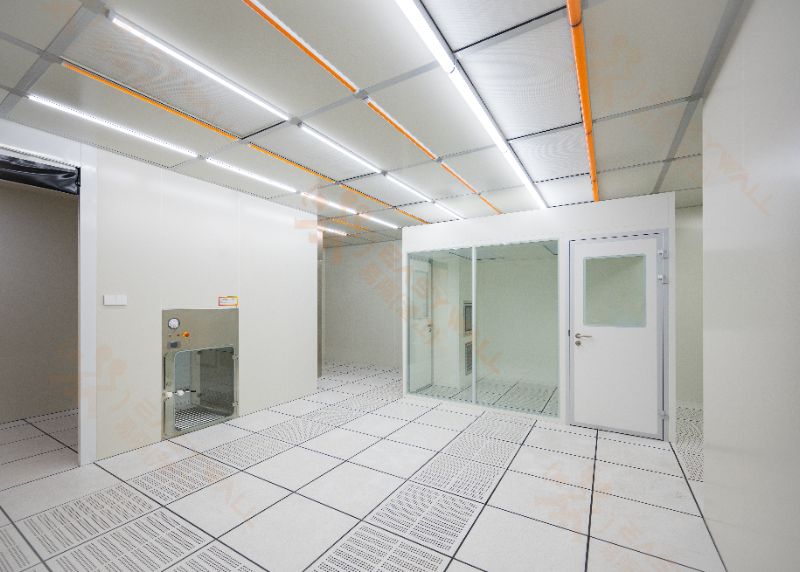
How Cleanroom Panels Support Contamination Control?
 Sep. 23, 2026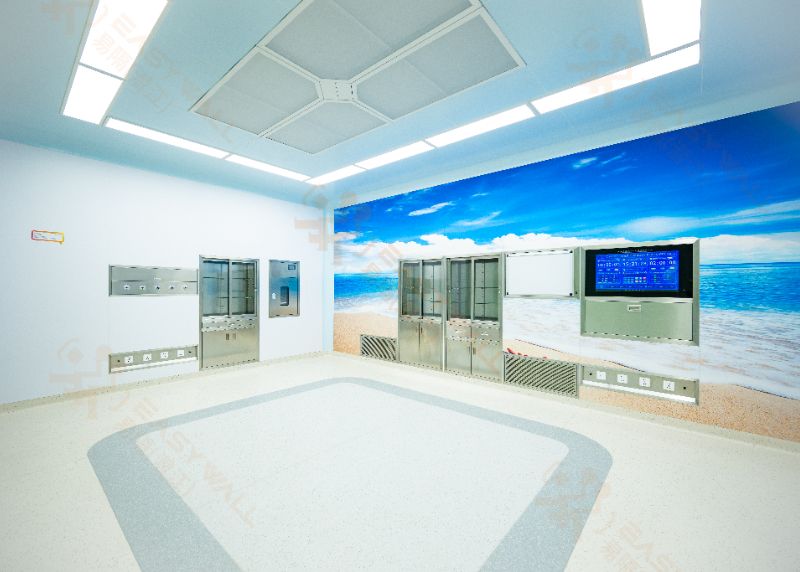
VHP Sterilization: Panel Coating Resistance
Sep. 21, 2026 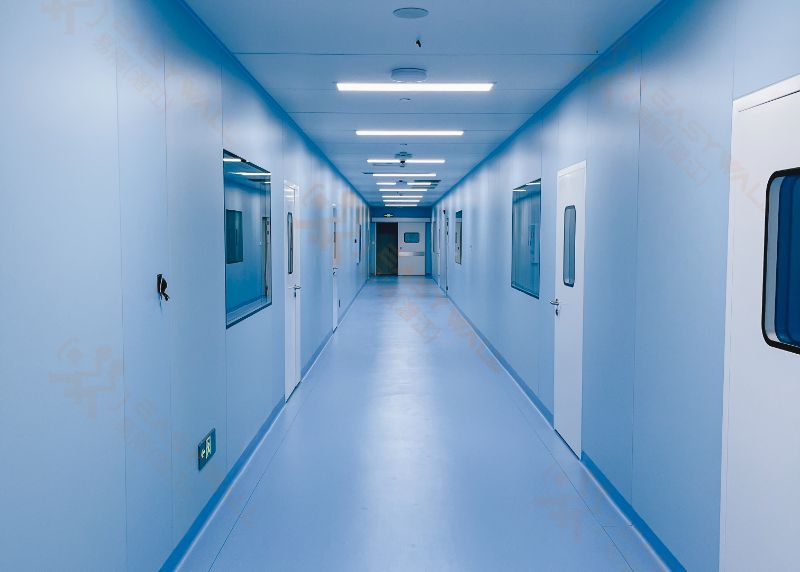
USP <797> and USP <800> Compounding Pharmacy Cleanroom Guidelines
Sep. 21, 2026 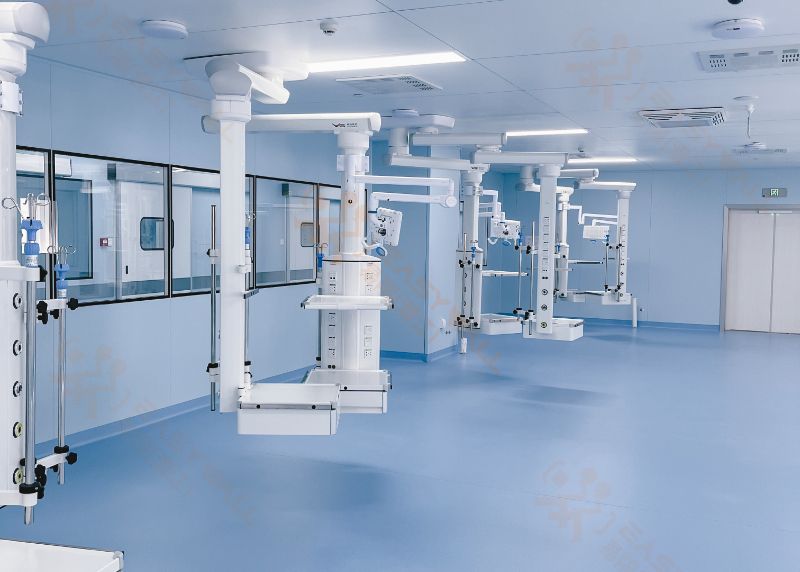
What to Ask Before Buying Cleanroom Panels?
Sep. 17, 2026 
The Ultimate Cleanroom Wall Panel Guide: Materials, Cores, and Coatings
Sep. 15, 2026 Наше местоположение
No.168, Ziguang Road, Цяньцзян, провинция Хубэй, КНР
Быстрый контакт
aria@easywalltec.com leo@easywalltec.comМы свяжемся с вами в течение 24 часов или звоните нам каждый день с 09:00 до 12:00
+86 139 6255 5162
Запросите смету
Технологические инновации, качество продукции - это душа предприятия, удовлетворение рыночного спроса и потребностей клиентов - это жизнь предприятия
 English
  Chinese (Simplified)
  French
  Portuguese
  Japanese